
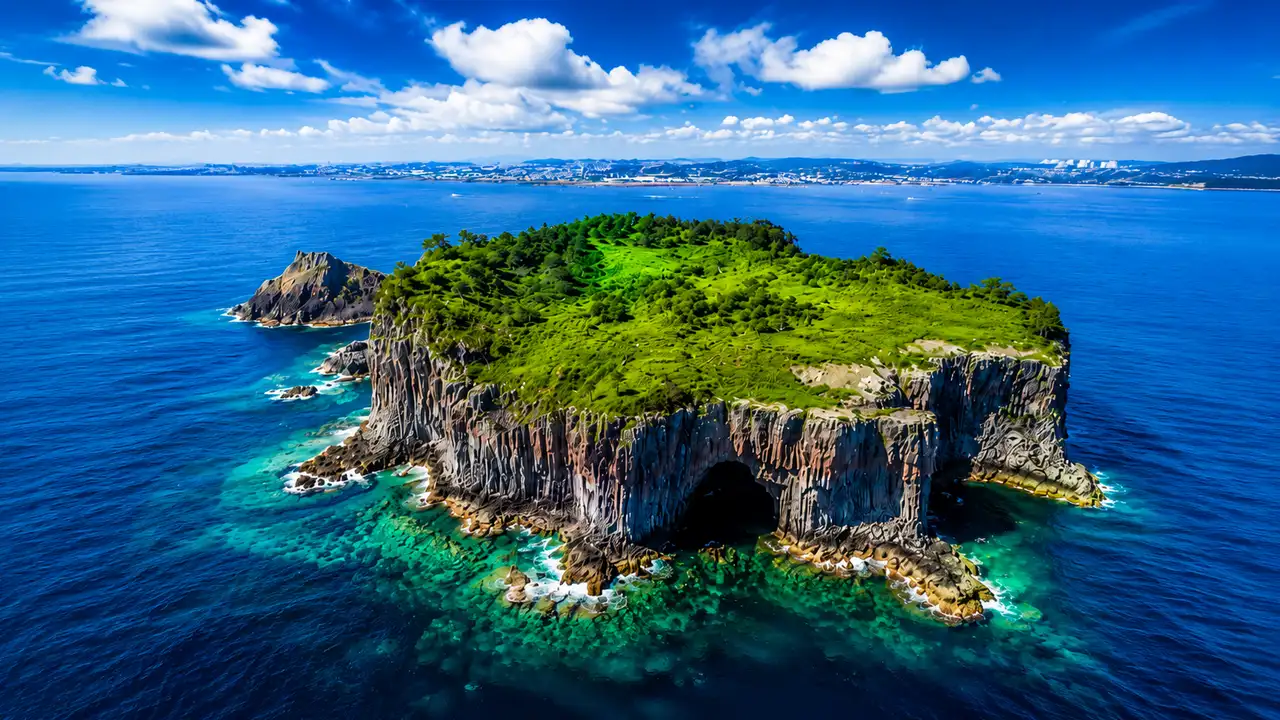
Off Seogwipo · an island of natural monuments
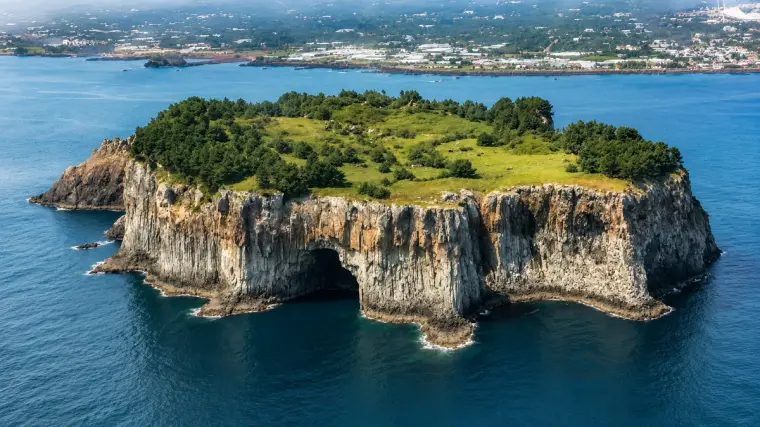
Beomseom, Seogwipo: Jeju's Tiger Island
Where two Natural Monuments overlap. Meet Beomseom, an island of sheer cliffs and soft-coral gardens in bloom.
Natural monuments
Two Natural Monuments
One of Korea's rare seas where two Natural Monuments overlap.
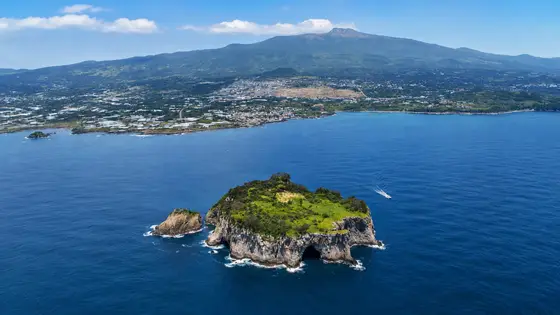
No. 421: Beomseom & Munseom Nature Reserve
Designated July 18, 2000; area 9,196,822㎡. This trachyte lava island off Seogwipo and its surrounding waters are protected as a whole.
View the official Korea Heritage record ↗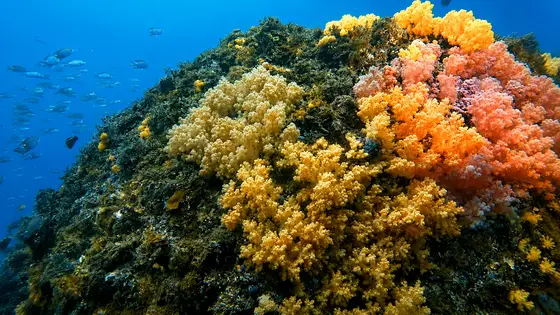
No. 442: Jeju Coastal Soft-Coral Colonies
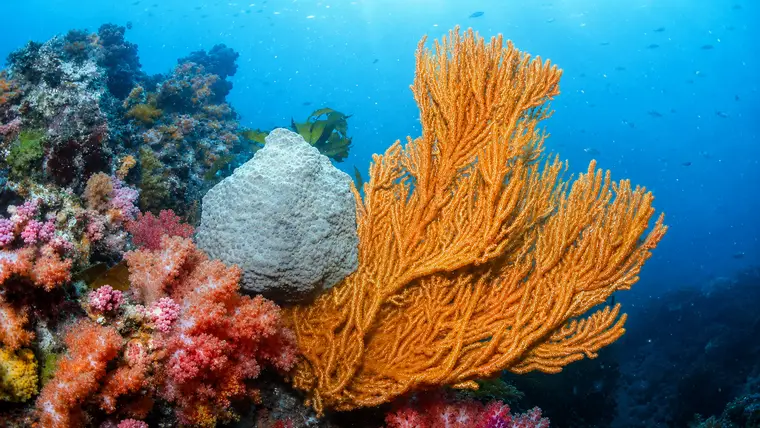
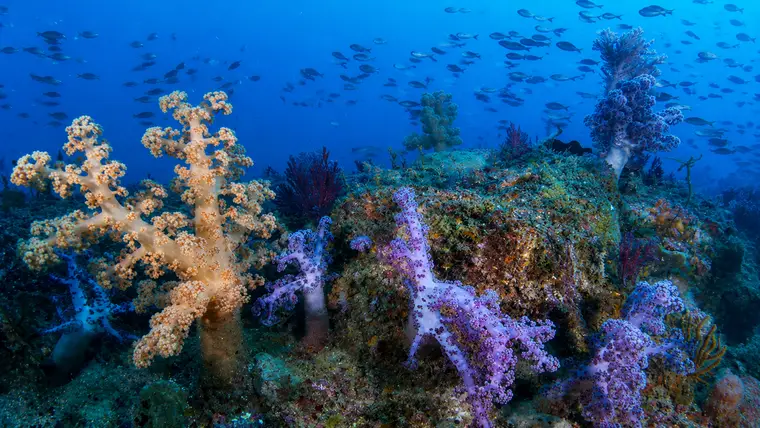
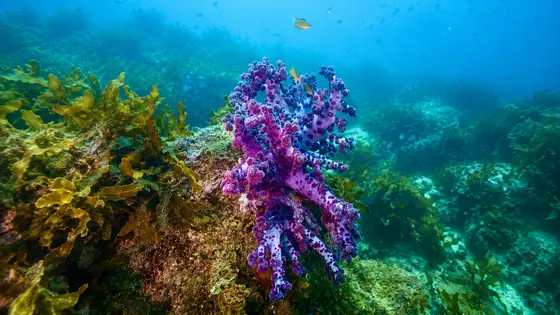
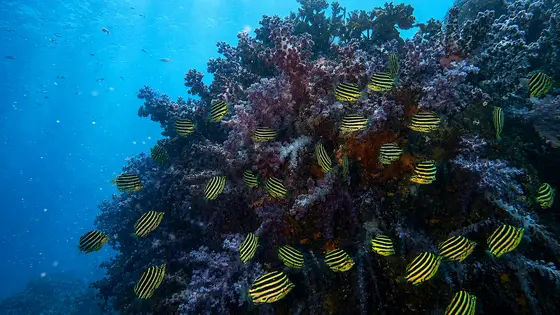
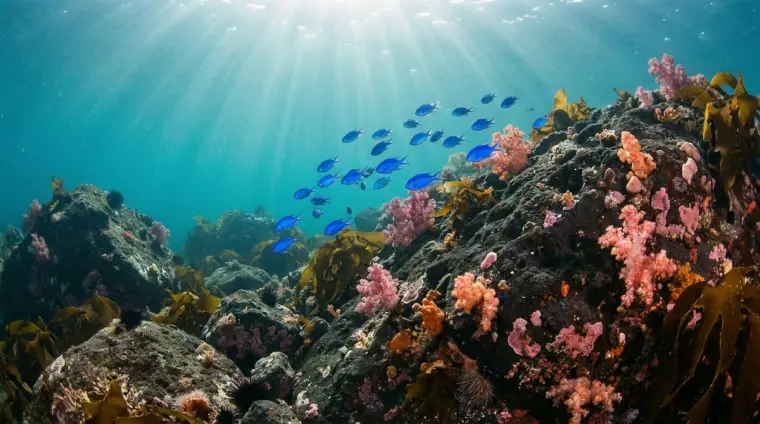
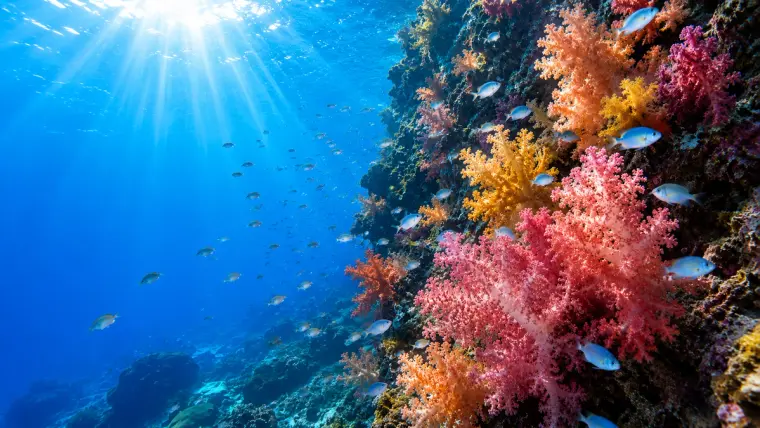
Designated December 13, 2004. Of Korea's 132 anthozoan species, 92 live along Jeju's southern coast, and Beomseom is its heart. Soft corals, the "flowers of the sea," blanket the underwater walls.
View the official Jeju heritage record ↗One dive, two national monuments.
Overview
Beomseom at a glance
Location, depth, season and more: the key facts at a glance.
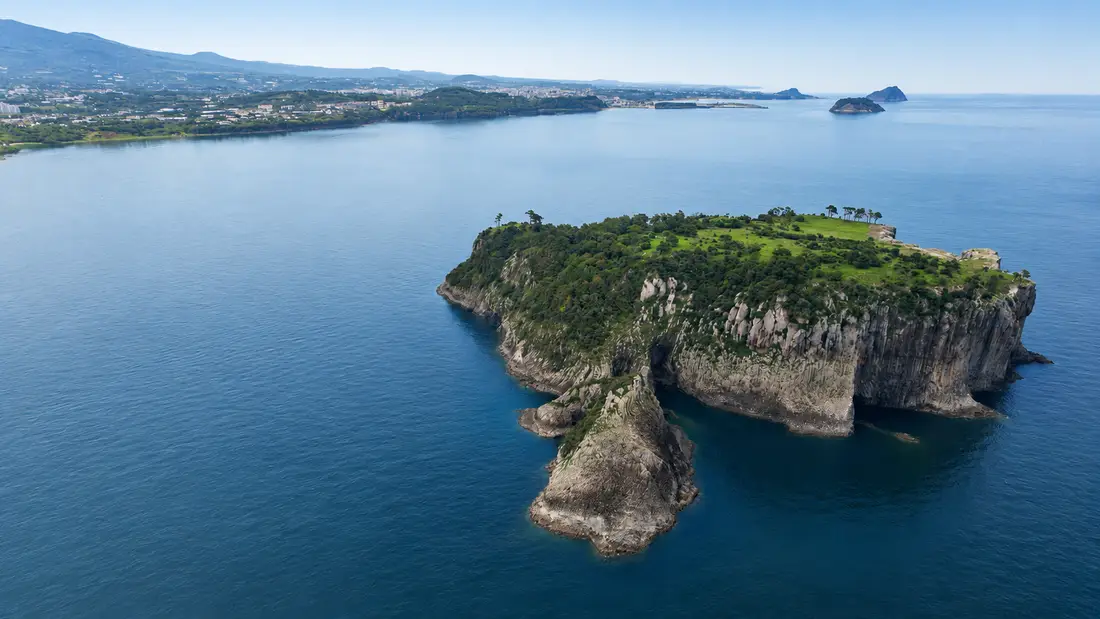
- Location
- Off Seogwipo, 1.3 km south of the coast
- Getting there
- About 5 min by our own boat from Beophwan Port
- Natural Monuments
- No. 421 (Munseom & Beomseom) · No. 442 (soft-coral colonies)
- Main depths
- 10–25 m
- Signature terrain
- Trachyte walls · four sea caves (the Nostril)
- Signature life
- Soft-coral colonies · damselfish
- Best season
- Sep–Nov (diveable year-round)
- Difficulty
- Beginner to intermediate (current points, intermediate+)
Geology
How the tiger island was made
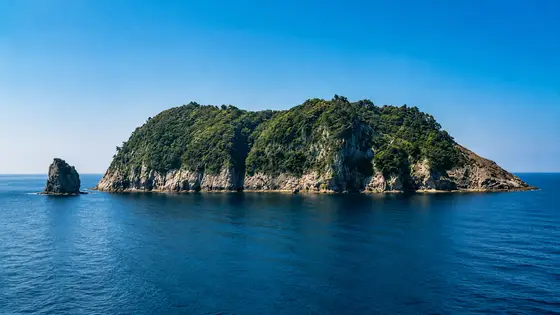
Most of Jeju is black basalt. Beomseom is different. Thick, slow trachyte lava couldn't flow far and hardened over its vent into a rounded lava dome. Waves have carved that rock island for ages, and from a distance it resembles a tiger crouching toward the sea, hence its name, Beomseom, or Tiger Island (虎島).
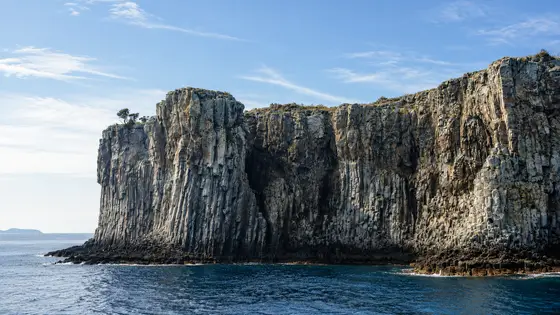
Trachyte lava dome
Not the basalt of the rest of Jeju, but trachyte: viscous lava that hardened in place into a dome-shaped island.
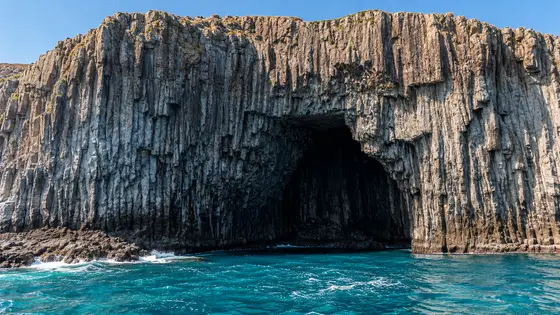
Columnar joints
As the lava cooled and contracted, column-shaped joints formed across the island's cliffs.
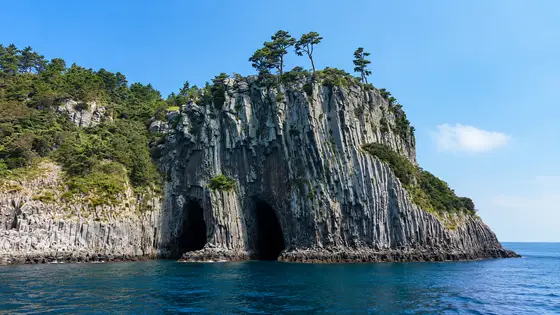
Four sea caves · the Nostril
Waves bored four sea caves through the cliffs. One of them is the tiger's "nostril."
Depth profile
Beomseom in Cross-Section
From the surface down to 25m, a sea with a different face at every depth.
- 0 m · sea level
Entry zone
All coursesStraight down from the boat. Your instructor is with you one-on-one from entry.
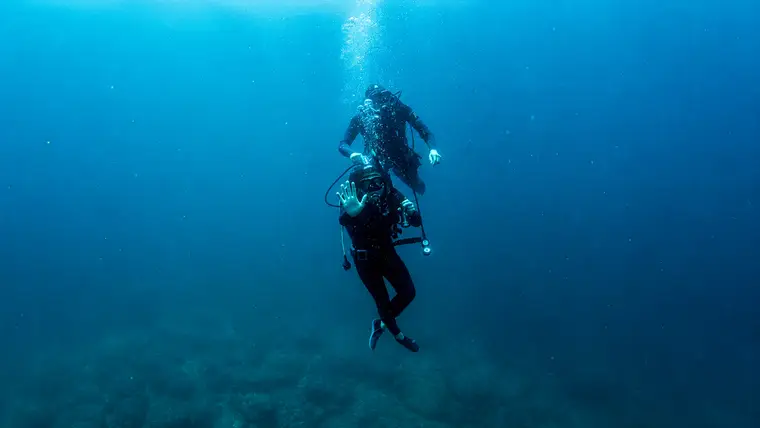
- -14 m
The soft-coral wall
Discover-dive highlightThe Natural Monument No. 442 flower garden. Pink and orange corals fill the wall.
- -25 m
Vertical walls · Train Rock · the Nostril
Fun divingSheer walls formed by trachyte columnar joints and four sea caves: Beomseom's signature fun-diving points for certified divers.
Diving seasons
Seasons
When is best? A guide to water temperature and visibility by season.
Best season: Sep–Nov
When the water opens at its clearest, the wall is overwhelming on a good day.
Summer water 24–27℃
Warm, comfortable summer diving.
Diving all four seasons
With the right wetsuit, winter diving works too, which is rare for Korean waters.
Dive sites
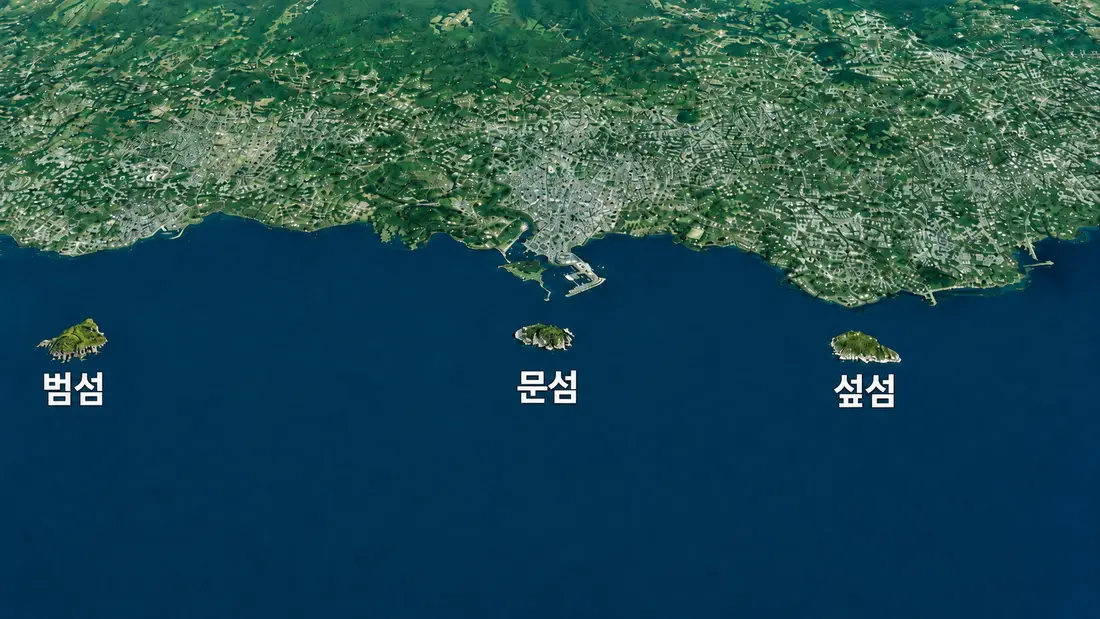
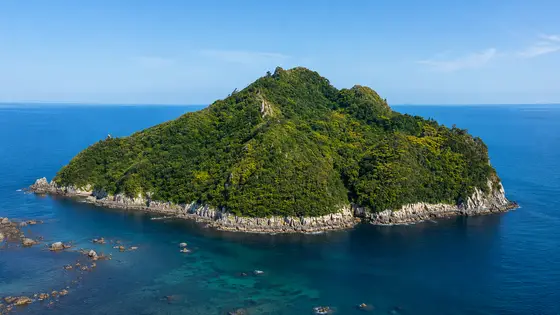
Seogwipo's three dive islands: Beomseom, Munseom, Seopseom
Beomseom is one of three dive islands in the sea off Seogwipo. They share the same water but each has a different face.
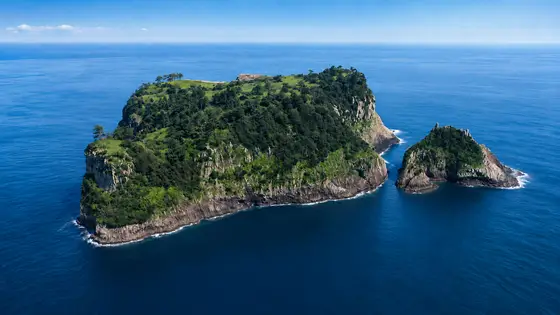
Beomseom (Tiger Island)
Sea caves, trachyte walls and large soft corals. Current makes for distinctive terrain diving. Natural Monument No. 421.
Munseom
The closest island by boat from Seogwipo harbor. Rich in coral species and numbers, and the most-visited of the three. Natural Monument No. 421.
Seopseom
Home to the Asplenium antiquum fern colony, Natural Monument No. 18. The quietest of the three.
All three sit in the same sea off Seogwipo. Conditions permitting, divers link them across a day.
Marine life
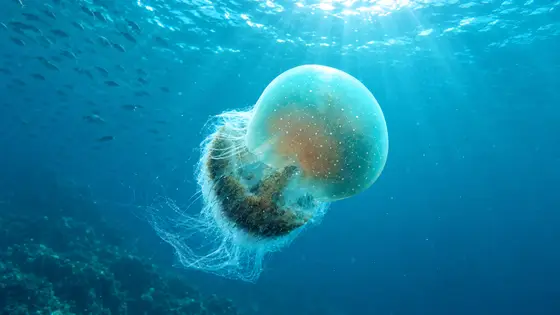
Who lives here
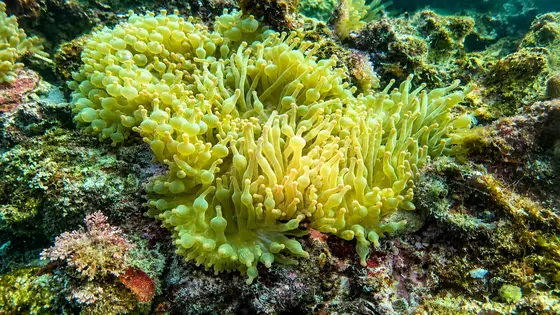
Pink and orange corals fill your view, and a school of silver damselfish closes around you. Soft corals are animals, not plants. They feed on plankton carried by the currents and bloom like flowers. Scleronephthya gracillimum and Dendronephthya gigantea build that wall.
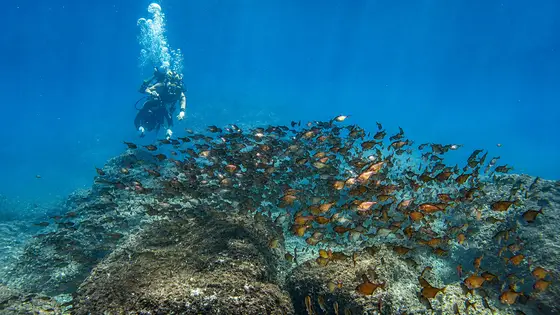
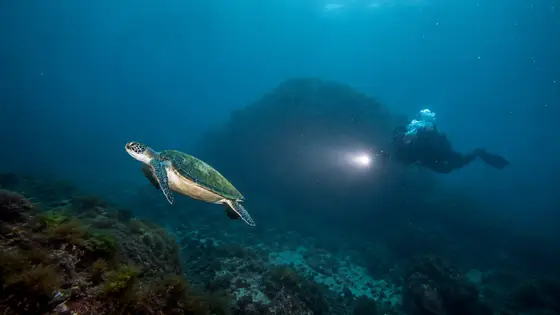
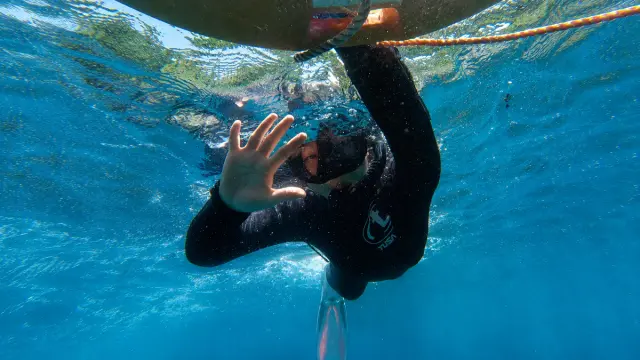
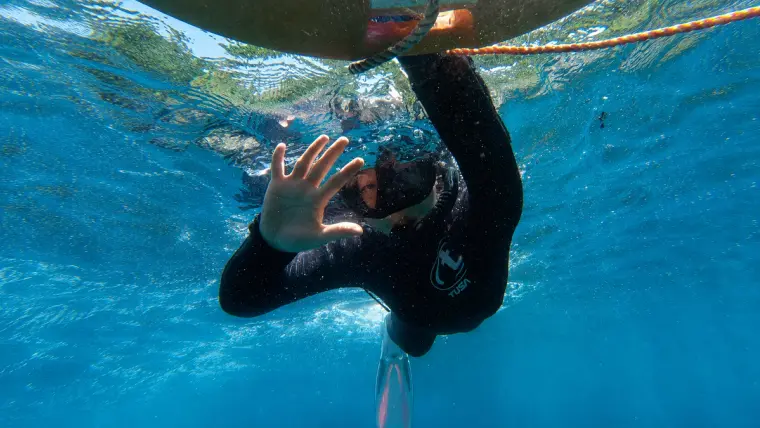
Even if you can't swim, your instructor stays one-on-one from entry to surface.
See the Beomseom discover dive →History
What happened in these waters, 700 years ago
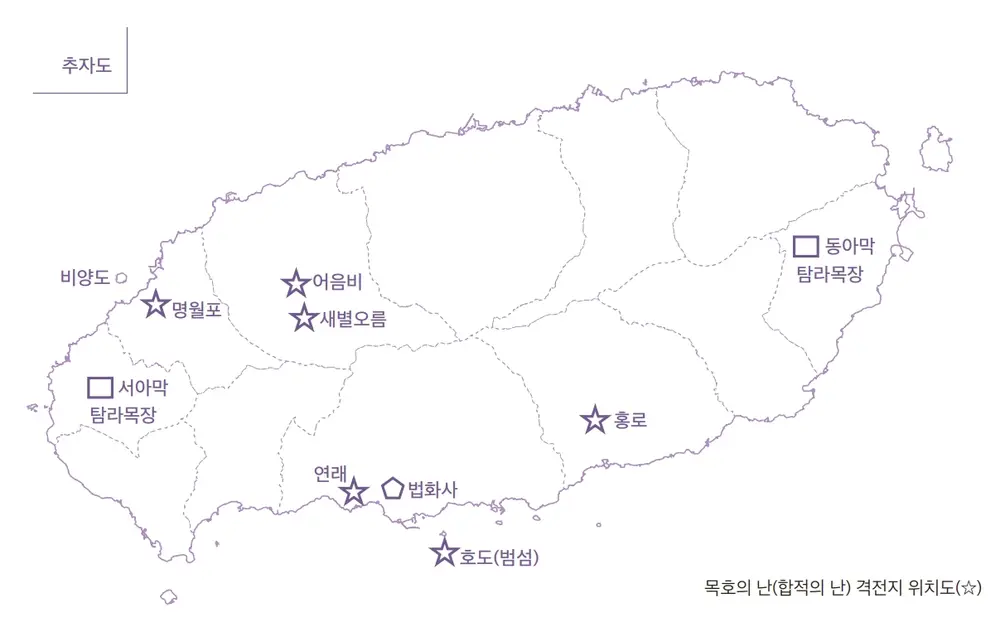
Beomseom is where one chapter of medieval Korea closed. In 1374, General Choe Yeong led the campaign that drove out the Mongol-era "Mokho" who had held Jeju.
The cornered Mokho made their last stand here, at Beomseom. The same sea where divers now meet the soft corals is where, seven centuries ago, a chapter of Korean history came to its end.
FAQ
Frequently asked about Beomseom
The questions we hear most before a Beomseom dive.
Can anyone visit Beomseom?
Beomseom is an uninhabited nature reserve. Travelers experience it by boat around the island, or in the water by diving and skin diving. Nautilus Dive takes you to the points on our own boat.
When is the best season to dive at Beomseom?
Diving works year-round, but visibility peaks from September to November. In summer the water warms to 24–27°C.
Why is Beomseom a Natural Monument?
The island and its waters hold trachyte scenery and rich subtropical marine biodiversity, so they were designated, together with Munseom, as Natural Monument No. 421 in 2000, while the soft-coral colony in these waters was separately designated No. 442 in 2004, a double layer of protection.
How deep is the sea around Beomseom, and what's the terrain like?
Main depths run 10–25 m. Points follow the trachyte walls and four sea caves (the Nostrils); points with current are best for intermediate divers and up.
How do Beomseom, Munseom and Seopseom differ?
The three islands share the same Seogwipo sea but wear different faces: Munseom leads in coral diversity and access, Beomseom in terrain (sea caves and walls) plus large soft coral, and Seopseom in relative quiet.
Read more
Go deeper into Beomseom
More reading on Beomseom and diving in Jeju.
Come meet Beomseom, a national monument of Korea, for yourself.
Discover dives run three times a day in small groups. Check availability for your date now.